Germany launches reformed hydrogen council to advise government · SovereigntyNews.eu
Energy
Germany launches reformed hydrogen council to advise government
Germany's reformed National Hydrogen Council has begun its work, the economic affairs ministry announced on 23 November 2026. The body will advise the federal government on hydrogen policy.
On 23 November 2026, the German Federal Ministry for Economic Affairs and Climate Action (BMWK) announced in a German-language statement that the country's reformed National Hydrogen Council has officially commenced its operations. The advisory group has been convened to counsel the federal government on implementing an efficient hydrogen policy.[1]
Mandate to advise the federal government
According to the ministry's notification, the council has assumed its advisory duties with an explicit focus on policy efficiency. However, the ministry's release did not detail specific legislative proposals, roadmaps, or immediate targets that the newly constituted advisory group will evaluate.[1]
“Reformed National Hydrogen Council begins work and advises Federal Government on efficient hydrogen policy" (translated from German).”[1]
— BMWK
Reforms and council structure
The release did not elaborate on how the council was reformed or how its remit differs from prior configurations. The ministry did not publish the roster of appointed members, the sectors represented, or the formal schedule for upcoming advisory sessions.[1]
Why it matters for Europe
Hydrogen is central to Europe's long-term plan to phase out reliance on fossil fuels imported from Russia and the Middle East. As the European Union's largest economy and heavy industrial base, Germany's domestic hydrogen policy and infrastructure decisions will strongly influence how rapidly the bloc can build collective energy sovereignty.
What we don’t know yet
The names and institutional affiliations of the members appointed to the reformed council.
The specific changes introduced as part of the council's reform.
When the council will deliver its first policy recommendations to the federal government.
Sources
Written by AI from the sources below and usually published automatically, without prior review by an editor. Always check the sources for accuracy. Quotes from other languages are translated.
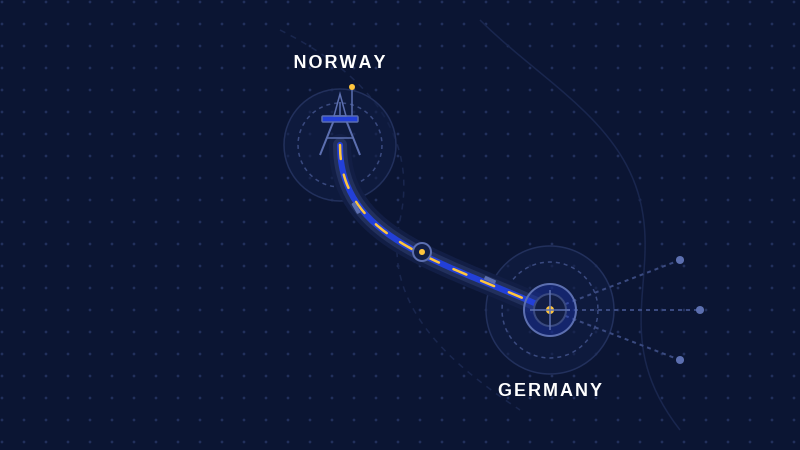
Norway's Equinor will supply German utility VNG with natural gas until 2044 under an 18-year agreement. The long-term pipeline deal secures alternatives to Russian and Middle Eastern energy.
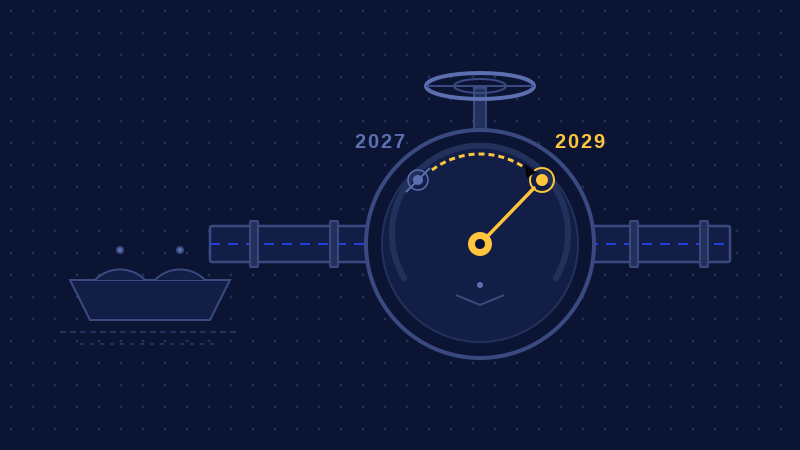
The European Union has delayed its landmark methane import regulation until 2029 following heavy lobbying from the United States and fossil fuel companies.
European artificial intelligence firms are reaching hundreds of millions in revenue with tiny teams, triggering early regulatory and enterprise security pressures.
German companies are maintaining investments and launching joint defence production in Ukraine despite war damage. The initiative aims to secure industrial partnerships before global rivals dominate the country's reconstruction.