EU postpones import rules on methane by two years · SovereigntyNews.eu
Energy
EU postpones import rules on methane by two years
The European Union has delayed its landmark methane import regulation until 2029 following heavy lobbying from the United States and fossil fuel companies.
The European Union has agreed to postpone by two years the introduction of rules forcing oil and gas importers to measure and reduce methane leaks. The decision exposes Europe's growing vulnerability to external energy suppliers as it tries to replace Russian fuels while avoiding shortages, POLITICO Europe reported.[1]
Negotiators from EU member states and the European Parliament agreed on the delay following seven hours of debate. The regulation was originally set to take effect in January 2027, but international energy companies will now not face the requirements until 2029.[1]
Supply fears after Middle East conflict
The push to pause the rules intensified after the outbreak of conflict between the United States, Israel, and Iran, which disrupted Gulf shipping and drove up fuel prices. Oil and gas producers argued that the compliance requirements would trigger severe shortages.[1]
An industry study by consultancy Wood Mackenzie, commissioned by the International Association of Oil & Gas Producers (IOGP), claimed the rules risked making 87% of Europe's oil imports and 43% of its natural gas imports non-compliant. However, an analysis by Norwegian firm Rystad, funded by the Environmental Defense Fund, concluded that adequate compliant supplies were readily available.[1]
Transatlantic lobbying campaign
American diplomats and energy executives heavily lobbied Brussels and national capitals. The Trump administration, pursuing energy dominance, warned that the rules could cut off American liquefied natural gas (LNG) shipments. US Ambassador to the EU Andrew Puzder publicly called on the bloc to delay the measure to protect supplies.[1]
EU member states including Czechia, Slovakia, and France raised concerns about energy security. European Energy Commissioner Dan Jørgensen initially proposed a one-year pause, but member states and lawmakers pushed through an extension to two years.[1]
“The EU’s Methane Regulation risks triggering another energy crisis,”[1]
— Andrew Puzder, US Ambassador to the EU
Industry body IOGP welcomed the postponement, while market observers noted that the revisions give governments leeway to seek further delays in 2029.[1]
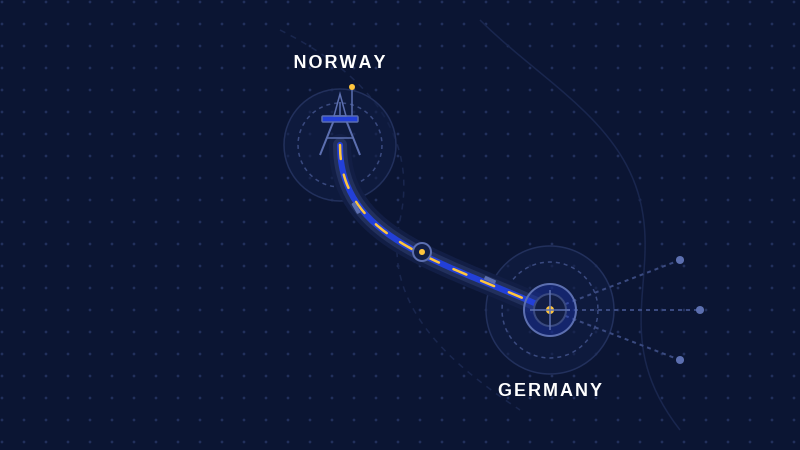
Norway's Equinor will supply German utility VNG with natural gas until 2044 under an 18-year agreement. The long-term pipeline deal secures alternatives to Russian and Middle Eastern energy.
Germany's reformed National Hydrogen Council has begun its work, the economic affairs ministry announced on 23 November 2026. The body will advise the federal government on hydrogen policy.
Having severed most pipeline ties with Russia, Europe has become deeply reliant on American LNG and alternative seaborne oil. This postponement illustrates how import dependencies grant foreign suppliers and partner governments significant leverage over European Union environmental standards and regulatory sovereignty.
What we don’t know yet
Whether the European Commission will introduce simplified compliance criteria before 2029.
Whether member states will seek an additional postponement when the new 2029 deadline approaches.
Sources
Written by AI from the sources below and usually published automatically, without prior review by an editor. Always check the sources for accuracy. Quotes from other languages are translated.
European artificial intelligence firms are reaching hundreds of millions in revenue with tiny teams, triggering early regulatory and enterprise security pressures.
German companies are maintaining investments and launching joint defence production in Ukraine despite war damage. The initiative aims to secure industrial partnerships before global rivals dominate the country's reconstruction.