Europe
European AI startups face early compliance demands amid rapid growth
European artificial intelligence firms are reaching hundreds of millions in revenue with tiny teams, triggering early regulatory and enterprise security pressures.
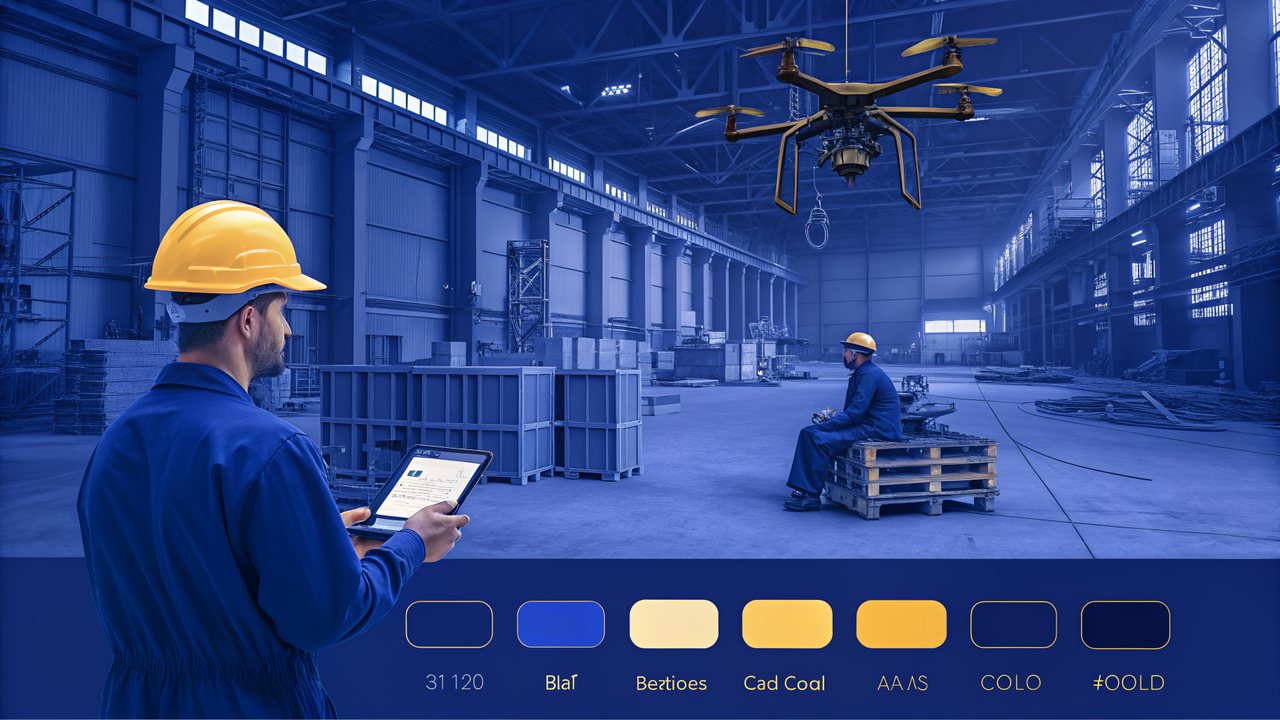
Europe's drone industry remains heavily dependent on critical Chinese parts, including motors and batteries. Manufacturers are now trying to build a European supply chain.
ENBased on reporting by Le Monde · FranceFrench newspaper Le Monde reported on 24 November 2026 that the drone manufacturing sector faces major obstacles in achieving strategic sovereignty. European manufacturers continue to rely heavily on critical components made in China to assemble and operate their systems.[1]
The critical hardware highlighted by Le Monde includes electric motors, batteries, and propellers. Because European alternatives remain scarce, uncrewed aircraft across the continent cannot take to the air without these essential parts sourced directly from Chinese suppliers.[1]
“Many aircraft, including those intended for military uses, cannot fly without these parts produced in China (translated from French).”[1]
This reliance extends directly into the defence domain. European armed forces deploy drones that depend on Chinese sub-assemblies for basic functionality, creating operational vulnerabilities for military hardware.[1]
In response, industrial companies are working to establish a domestic European production ecosystem. Their goal is to build up local manufacturing capacity and ultimately achieve strategic independence from foreign parts suppliers.[1]
However, Le Monde described the pursuit of sovereignty as a difficult undertaking. Replicating established supply networks for complex components within Europe will require significant industrial development before the sector can operate independently of Chinese factories.[1]
Drones play an increasingly central role in European defence and infrastructure monitoring. Relying on China for core hardware such as motors and batteries leaves European armed forces and commercial operators vulnerable to supply cuts and export restrictions.
European artificial intelligence firms are reaching hundreds of millions in revenue with tiny teams, triggering early regulatory and enterprise security pressures.
German companies are maintaining investments and launching joint defence production in Ukraine despite war damage. The initiative aims to secure industrial partnerships before global rivals dominate the country's reconstruction.
Written by AI from the sources below and usually published automatically, without prior review by an editor. Always check the sources for accuracy. Quotes from other languages are translated.
French President Emmanuel Macron has announced €350 million in government funding to support civil aviation research, focusing on the successor to the Airbus A320.
The rapid growth of artificial intelligence poses severe systemic risks to Dutch financial institutions, De Nederlandsche Bank warned on 24 November 2026. Heavy investments in US tech giants and the threat of AI-driven cyberattacks leave Europe financially vulnerable.